
Leanefy Clinical Guide to Selecting Lean Proteins
Improved satiation, preservation of muscularity, and metabolic efficiency in GLP-1 + GIP Tirzepatide therapy
One of the most crucial aspects of medically supervised weight loss is the intake of lean proteins. Under the Leanefy physician-led GLP-1 + GIP Tirzepatide program, high-quality lean proteins are among the components of appetite control, lean muscle mass maintenance, and metabolic stability without unnecessary intake of saturated fat or calories.
What are Lean Proteins?
Lean proteins provide a high concentration of essential amino acids without the high levels of saturated fats or caloric density. This allows patients to feel satisfied for longer periods of time while providing a favorable metabolic profile, which complements Tirzepatide appetite-regulating properties.
How to Select Lean Proteins
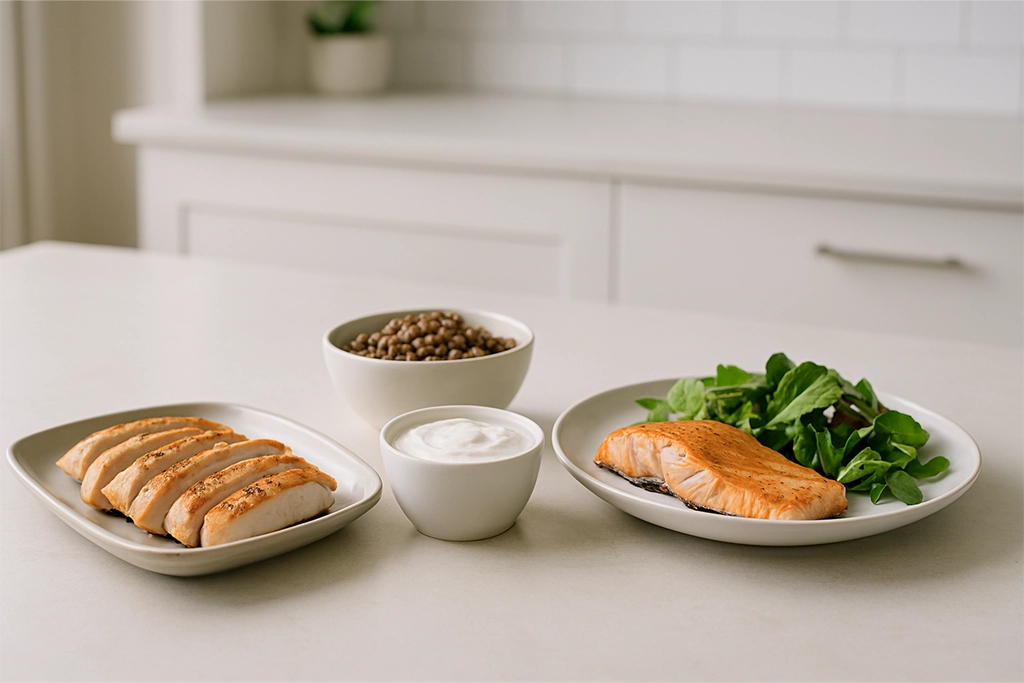
Understandably, prioritize the leanest cuts of meat and poultry. Examples include skinless chicken or turkey breast, trimmed sirloin, tenderloin, and loin cuts. These meats provide substantial amounts of protein, but less fat. Whenever possible, visible fat should be removed before cooking.
Fish should not be eliminated from the diet in all these. Salmon, trout, sardines and mackerel also give high-quality proteins, along with omega-3 fatty acids, which is beneficial for cardiovascular and metabolic health.
Plant-based proteins play an important part in strategies for balanced nutrition. Beans, lentils, chickpeas, tofu, tempeh, and edamame have protein along with fiber that can help digestion prolong satiety during GLP-1 + GIP therapy.
Greek yogurt and cottage cheese, along with skim milk, are considered either low-fat or fat-free dairy products with efficacious protein delivery while minimizing saturated fat exposure as a protein source. These can make for great protein sources to meet daily intake targets.
Eggs. Everybody knows eggs are where it's at when it comes to protein. Pretty much everyone can eat whole eggs in moderation, whereas egg whites allow patients to increase protein intake with minimal fat when calorie control is concerning.
Limit consumption of processed meats: Sausages, deli meats, and hot dogs contain too much sodium and unhealthy fats that will get in the way of metabolic progress. Of course, when eating them, lower sodium and minimally processed options are preferred.
Even lean protein has portion size considerations. Consumed in excess, it still adds unnecessary calories and slows weight loss momentum.
Preparation methods greatly influence nutritional quality. Grilling, baking, broiling, steaming, and poaching should be enough to maintain protein integrity without excess fat, compared to frying and heavy breathing undermining leanness.
Nutrition labels should be examined for the amount of saturated fats contained within the food and the total protein each serving builds against clinical goals.
Lean Proteins and Their Importance in the Treatment with Tirzepatide
Consumption of sufficient lean protein amplifies the satiation effects induced by the GLP-1 + GIP Tirzepatide, minimizes muscle loss upon weight loss and keeps a constant metabolic performance. Pairing this with responsible portion control and whole-food nutrition is that consistent, sustainable results that lie within Leanefy will be an integral component in the patients' telehealth program under physician supervision.
