
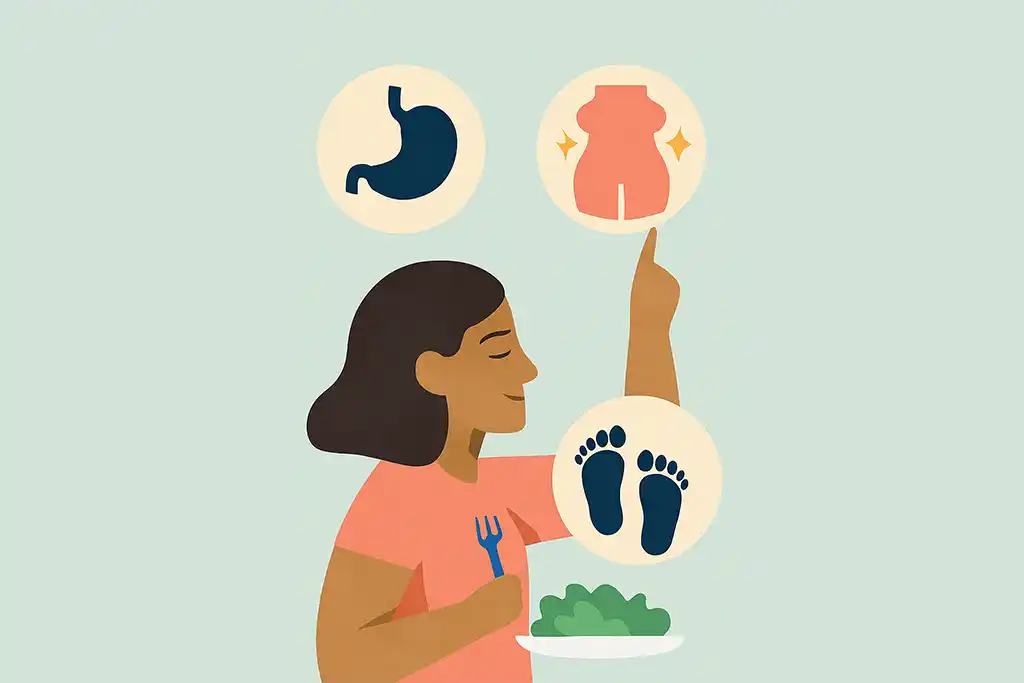
How to Handle Side Effects on GLP-1 & Dual-Agonist Medications
Starting a GLP-1 or dual-agonist medication like Tirzepatide is a powerful step toward better metabolic health — but it can also come with side effects as your body adjusts. This guide explains what’s normal, what’s manageable, and when to reach out to your Leanefy clinician for support.
Are Side Effects Normal?
Yes. When you start a GLP-1 or dual-agonist medication like Tirzepatide, your body is adapting to:
- Slower gastric emptying
- Reduced appetite signals
- New hormonal pathways that affect digestion and hunger
Most side effects are mild and temporary. Understanding what’s happening in your body makes the journey far smoother and less stressful.
Common Questions About Side Effects
The most common side effect is nausea. It happens because food moves more slowly through your stomach and your appetite drops sharply. When your stomach and brain adjust at different speeds, you may feel discomfort.
This sensation is normal, usually manageable, and almost always temporary as your body adapts to the medication.
Small changes in how and what you eat can make a big difference:
- Eat smaller, more frequent meals instead of large portions.
- Chew slowly and take your time with each bite.
- Avoid heavy, fried, creamy, or very greasy foods.
- Stay hydrated throughout the day.
- Stop eating when you feel comfortably full instead of finishing your plate.
Leanefy clinicians guide you through these adjustments so your digestive system feels supported rather than overwhelmed.
Feeling overly full or bloated usually means your portion was too large for your new metabolic rhythm. Your body simply needs less volume than before.
Try cutting portions in half, spreading meals out over the day, and choosing lighter foods. Most patients see these sensations diminish after week two or three as their body adapts.
Constipation can appear because appetite suppression leads to less overall food volume moving through your system.
Support your digestion by:
- Drinking plenty of water
- Adding fiber-rich foods (as tolerated)
- Incorporating simple daily movement
- Using warm liquids to gently stimulate digestion
Leanefy clinicians also provide personalized strategies so you do not struggle unnecessarily with this side effect.
Diarrhea can occur when your gut motility shifts under the influence of GLP-1 or dual-agonist medications.
Staying hydrated and maintaining balanced electrolytes typically helps, and this side effect is usually short-lived and easily managed.
Fatigue sometimes appears when appetite drops and you unintentionally eat too little or too infrequently.
Eating enough protein, staying hydrated, and prioritizing consistent sleep can restore energy levels. Leanefy providers monitor fatigue and can adjust your dose if needed.
If your symptoms are intense, persistent, or begin to interfere with daily life, you should reach out to your Leanefy clinician right away.
The platform is designed for rapid response and same-day guidance, so you never have to navigate concerning symptoms alone.
Leanefy clinicians start with conservative dosing and carefully monitor how your body responds over time.
Dose increases happen only when your system is ready. This approach prevents unnecessary discomfort and keeps your progress steady and safe.
If your appetite feels uncomfortably or excessively suppressed, it may be a sign that your current dose is temporarily too strong.
Leanefy clinicians can adjust your dosing so the experience stays healthy and sustainable, not overwhelming.
You are never asked to guess what your symptoms mean. With Leanefy, you are guided, monitored, and supported throughout treatment.
If you are ever unsure, reaching out to your clinician is always the right step. You do not have to manage uncertainty on your own.
Not necessarily. The real sign that your medication is working is improved appetite regulation and positive metabolic change — not how uncomfortable you feel.
Leanefy clinicians help distinguish between normal adaptation and symptoms that are unnecessary or excessive, then adjust your care plan accordingly.
Yes. As your body synchronizes with GLP-1 and GIP pathways, digestion stabilizes, hunger finds a more predictable rhythm, and comfort returns.
Most patients report feeling dramatically better by around week four as their system adjusts.
Leanefy’s approach to side-effect care is simple and patient-centered:
- Respect the body.
- Support the patient.
- Adjust early rather than waiting.
- Communicate openly and often.
Weight-loss medications should never feel like punishment. They should feel like partnership — with a team that listens, adapts, and cares.
Leanefy’s ultimate goal is to create a safe, sustainable, medically guided weight-loss pathway built on real human care.
The aim is not just fat loss. The aim is comfort, control, and long-term metabolic stability — so you can feel at home in your body for years to come.
